

For patients
Peptides
Short chains of amino acids. Some are prescription medicines; many sold online are not approved for use in people.
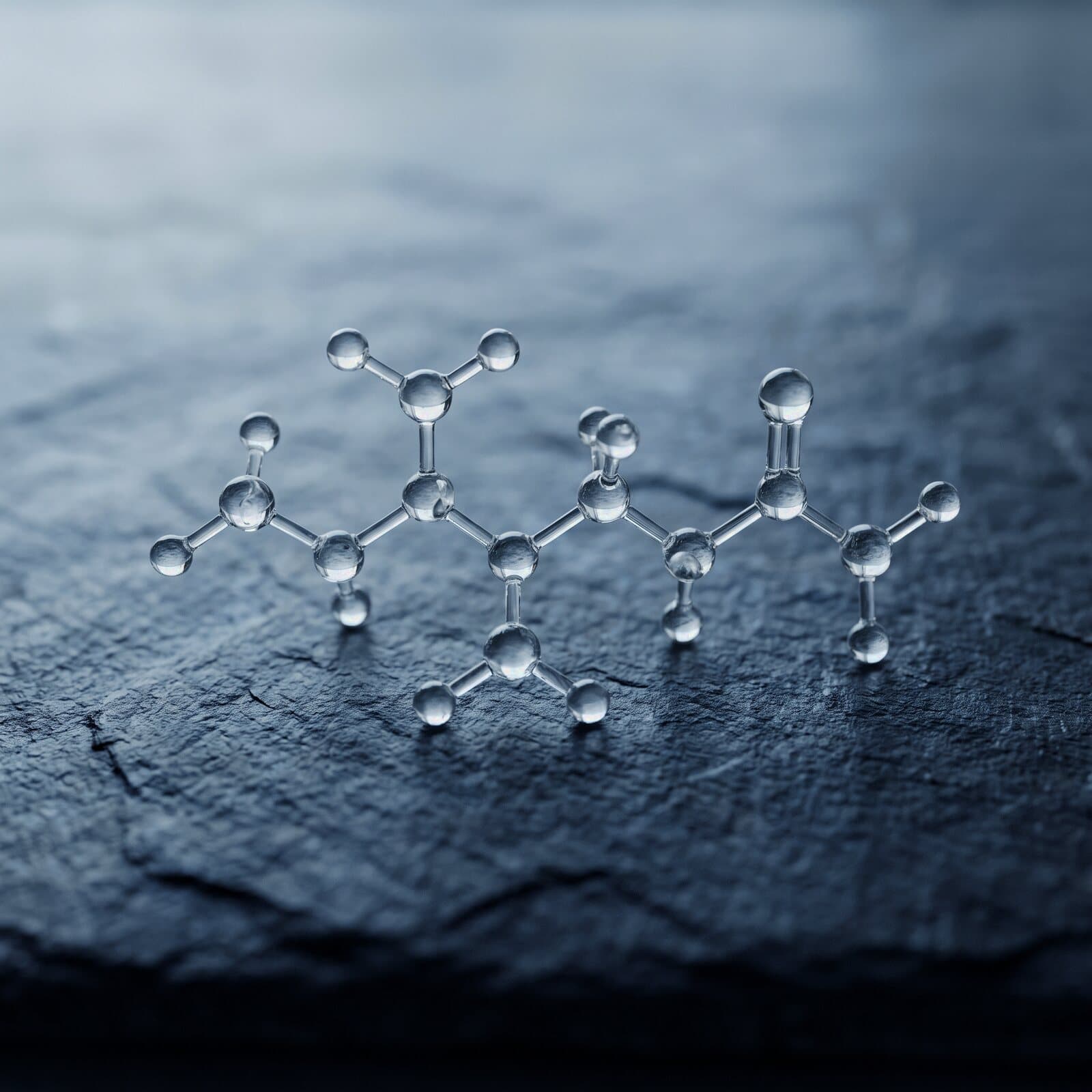
What a peptide is
A peptide is a short chain of amino acids, the building blocks of proteins. The body makes many peptides of its own, and some prescription medicines are peptides too.
Where it comes from matters
Some peptides are FDA-approved prescription drugs, made to pharmaceutical standards. Others are sold as “research use only” chemicals, which are not approved for use in people.
Before you use one, ask which kind you are being offered, who made it, and how it was tested.
Peptides, cells and exosomes are different
People often hear about peptides, stem cells and exosomes in the same conversation. They are different things. A peptide is a molecule. A Muse cell is a living cell. An exosome is a tiny particle that a cell releases.
Questions to ask your doctor
Bring these to the appointment. A good practice will answer them plainly.
- Is this peptide an FDA-approved prescription drug, a compounded preparation, or a research chemical?
- Who made it, and where was it sourced?
- What are the known risks for someone in my situation?
Find a partner doctor near you
Search by zip code. You contact the practice yourself; Encompass does not book procedures.
This page is general education, not medical advice. Only a licensed physician can say whether a therapy fits your care.